
The Best Time Depends on Weather, Surface Condition, and Drying Days
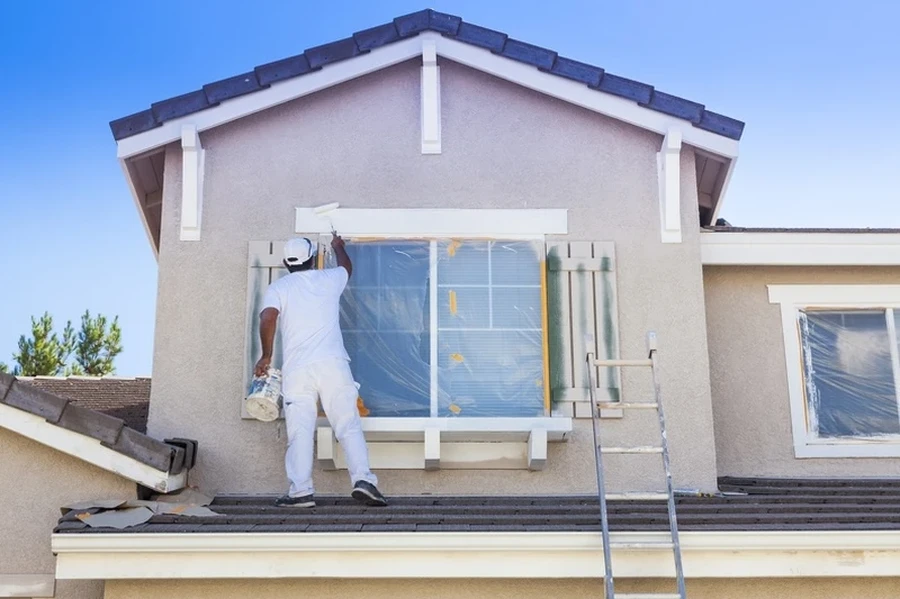
The best season for exterior painting is usually a stretch of mild, dry weather with low wind and steady temperatures. In many areas, spring and early fall work well because paint can dry at a steady pace. Summer can also work if crews avoid very hot parts of the day. Winter is often harder because cold air, frost, and damp surfaces can cause paint to fail early.
Why Prevention Matters
Good timing helps a paint job last longer. When a home is painted in the right season, the coating sticks better and dries the way it should. That can help stop peeling, blistering, and early fading. Poor timing can lead to extra wear within a short time. For homeowners in San Leandro, CA, that means weather should shape the plan before any work starts.
Early Warning Signs
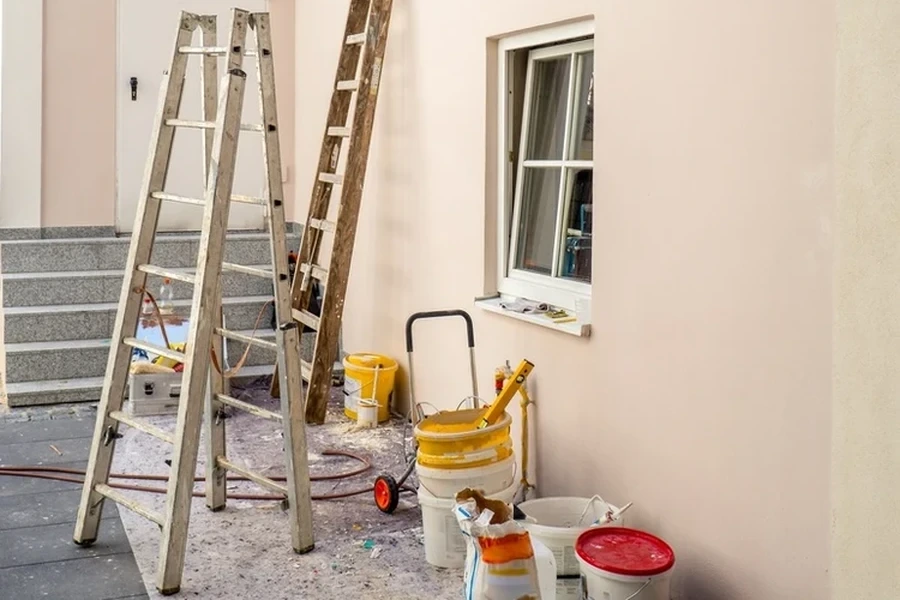
Seasonal timing matters even more when the outside of a home already shows wear. A few small signs can point to a bigger problem if painting is delayed too long. Old paint may stop protecting wood, trim, or siding from rain and sun. Once that happens, repairs may be needed before any fresh coat goes on.
- Peeling or flaking paint
- Cracks around trim and corners
- Faded color on sunny sides
- Soft or damp wood spots
- Chalky residue on the surface
- Mildew or dark staining
If these signs show up in late fall or winter, many owners choose to plan the work and wait for better painting weather. That often gives time for prep, cleaning, and repair decisions.
Seasonal or Routine Checklist
A smart plan for exterior painting starts with checking the season, the forecast, and the condition of the home. The goal is to avoid rain, heavy humidity, freezing nights, and very hot surface temperatures. Even if the air feels fine, siding in direct sun can get much hotter than expected.
- Check the 5 to 7 day forecast before starting.
- Look for dry days with mild daytime temperatures.
- Watch overnight lows, not just afternoon highs.
- Inspect siding, trim, and caulk for damage.
- Clean dirt, pollen, and mildew from surfaces.
- Let washed areas dry fully before priming or painting.
- Paint shaded sides first on hotter days.
- Leave enough time for each coat to dry.
This checklist works for most homes, whether the exterior has wood, stucco, fiber cement, or vinyl-safe coatings. Even a simple service category job can fail if the season is wrong.
Best Practices for Long-Term Results
Late spring often gives a good balance of warmth and lower moisture. Early fall can also be a strong choice because the sun is less harsh and many days stay dry. Summer can still work, but painters may need to start early and stop before the hottest afternoon hours. Paint applied to hot walls may dry too fast on the surface, which can affect the finish.
Prep work is just as important as the calendar. A clean, dry surface gives the new paint a better bond. Small repairs should be done before the first coat goes on. Caulk should cure properly. Primer should match the surface type. These steps help exterior painting hold up through rain, sun, and changing temperatures.
It also helps to think about shade patterns around the property. One side of a house may stay cool while another side gets full afternoon sun. Timing the work by wall exposure can improve the final result and help drying stay even.
What Not to Do
A few common choices can shorten the life of a paint job. Many people focus only on the month and forget the daily forecast. Others rush to paint right after pressure washing, even when moisture is still trapped in the surface. Paint may look fine at first, then start lifting later.
- Do not paint before rain is expected
- Do not paint over damp wood or siding
- Do not ignore cold night temperatures
- Do not paint in direct midday heat when surfaces are too hot
- Do not skip scraping, sanding, or priming
- Do not assume every product works in every season
Another mistake is waiting too long after damage appears. If old paint keeps peeling through one wet season after another, the exposed material can weaken. That can turn a paint project into a repair project.
When to Schedule Professional Help
Professional help makes sense when the timing is tricky or the home has more than simple wear. Taller homes, large areas of peeling paint, wood rot, and patchy sun exposure all add challenge. A pro can check moisture levels, product cure times, and weather windows before work begins.
It also helps to call for help when deadlines matter. Some owners want the house ready before guests arrive, before a home sale, or before a wet season starts. In those cases, planning the schedule around prep days and drying time can save stress and help avoid a rushed result.
If a home has been painted many times before, surface buildup can also affect the best season and process. Some older exteriors need more prep so the new coating can grip well. That is another reason timing and inspection go hand in hand.
Ready to Plan the Right Season
If you’re in San Leandro, CA, we can help you figure out the best window for exterior painting based on your home’s condition and the local forecast. Contact us at MZ Painting to talk through your project goals and surface needs. Call (510) 361-7525 and we will help you schedule a time that fits your home and the season.